
B2B SEO Case Study: +50% Organic Traffic for Industrial Oil Specialist
B2B SEO Case Study: Learn how I increased organic traffic by 50% for an industrial lubricant supplier using technical SEO and niche content strategies.
TECHNICAL SEOSMESSEO CONTENT
Jorge Jaroslavsky
2/10/20269 min read
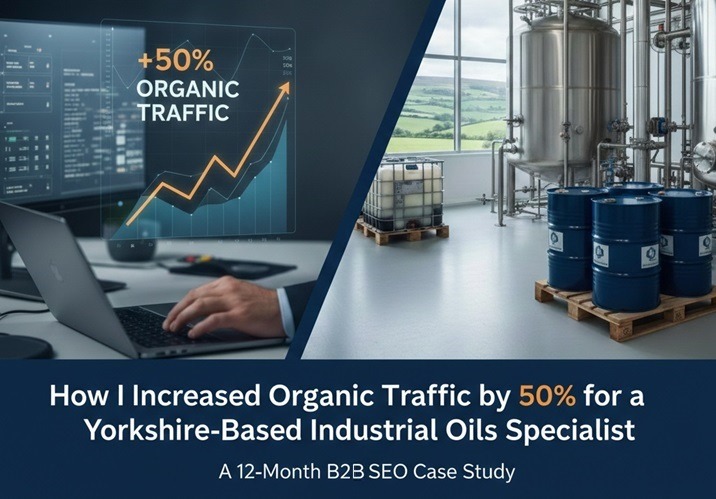
A 12-Month B2B SEO Case Study
As a solo SEO consultant working predominantly with B2B industrial clients and special niches across Yorkshire and the wider UK and Spain, I'm always very cautious about making bold claims. The truth is, SEO in technical, niche markets requires patience, precision, and a deep understanding of how businesses actually find suppliers online.
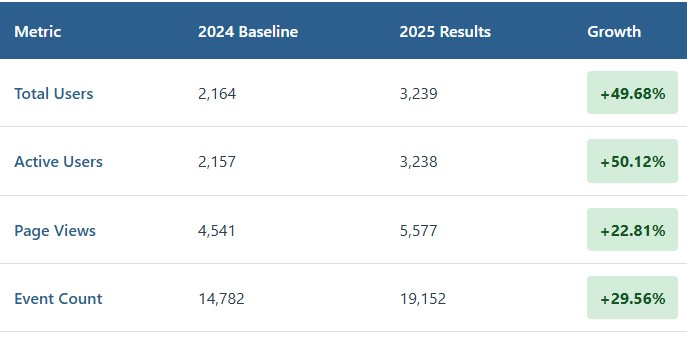
This case study documents a year-long engagement with a Yorkshire-based company specialising in oils and lubricants for industrial applications. The results speak for themselves: a 49.68% increase in organic users, a 50.12% rise in active users, and most importantly, a dramatic surge in qualified traffic during Q4 2025.
The Client (Anonymised for Confidentiality)
Whilst I can't disclose the company name due to contractual obligations, I can share the key details that shaped this project:
Industry: Specialised oils and lubricants for industrial and manufacturing applications
Location: Yorkshire, United Kingdom
Business Model: B2B supplier serving manufacturing, heavy industry, and specialised engineering sectors
Website Age: Established but underperforming in organic search
Target Audience: Procurement managers, maintenance engineers, and technical decision-makers in heavy industry
The Initial Challenge
When I first audited the site in early 2024, several critical issues became immediately apparent:
Limited Organic Visibility
The website was barely ranking for industry-specific terms. Despite having decades of technical expertise, they were invisible to potential customers actively searching for their products. Most traffic came from direct visits or existing client relationships—there was virtually no new customer acquisition through organic search.
Technical SEO Deficiencies
The site suffered from typical issues I see with industrial B2B websites: slow page load times, poor mobile responsiveness, thin product pages with minimal technical detail, and a confusing site structure that made it difficult for both users and search engines to navigate the product catalogue.
Content Gaps
Product pages lacked the depth that technical buyers need to make informed decisions. There were no application guides, no technical specifications in searchable formats, and no content addressing the specific challenges faced by different industrial sectors. The site was, essentially, a digital brochure rather than a resource.
Local SEO Underutilisation
Despite being well-established in Yorkshire's heavy industrial sector, the company wasn't appearing in local search results when manufacturers and engineering firms searched for suppliers in their region. Their Google Business Profile was claimed but barely optimised, and there was no location-specific content on the site.
The Strategy: What I Actually Did
As a solo consultant, I can't throw unlimited resources at problems. Every decision has to be strategic, measurable, and achievable within realistic time constraints. Here's exactly what I implemented over the 12-month period:
1. Technical SEO Foundation (Months 1-3)
I started with the fundamentals because you simply can't build effective SEO on shaky technical ground.
Site Speed Optimisation: Compressed images, implemented lazy loading, and worked with their hosting provider to upgrade to a faster server. Core Web Vitals improved significantly—particularly important as many procurement managers were accessing the site on tablets whilst on factory floors.
Mobile Responsiveness: Completely overhauled the mobile experience. Technical datasheets needed to be readable on smaller screens, and contact forms had to work seamlessly on mobile devices.
Site Architecture: Restructured the product catalogue with clear hierarchies. Created dedicated category pages for different oil types (hydraulic, gear, cutting, etc.) and application sectors (automotive manufacturing, food processing, heavy engineering).
Schema Markup: Implemented Product, LocalBusiness, and Organisation schema to help search engines understand the content and improve visibility in rich results.
Internal Linking: Created a logical internal linking structure connecting related products, application guides, and case studies. This helped distribute page authority and made it easier for users to find relevant information.
2. Industry-Specific Keyword Strategy (Months 2-4)
This is where my experience in the B2B industrial sector really paid dividends. I didn't just target generic terms—I focused on the specific language that technical buyers actually use when searching for solutions.
Primary Keywords: industrial oils, lubricants, specialised applications, hydraulic oil suppliers, gear oil industrial, cutting fluids Yorkshire, food grade lubricants, high temperature oils, synthetic lubricants UK, industrial oil distributor
The keyword research revealed something important: technical decision-makers weren't just searching for products—they were searching for solutions to specific problems. This insight shaped the entire content strategy.
I also identified long-tail opportunities around compliance (food-grade certifications, environmental regulations) and specific industry applications (pharmaceutical manufacturing, offshore engineering) that had decent search volume but low competition.
3. Content Strategy: From Brochure to Resource (Months 3-12)
This was the most time-intensive part of the project, but also the most rewarding. I worked closely with the company's technical team to transform their website into a genuine industry resource.
Product Pages: Every product page was expanded to include comprehensive technical specifications, viscosity grades, operating temperature ranges, compliance certifications, and clear application guidelines. I made sure the content answered the questions engineers actually ask before making purchasing decisions.
Application Guides: Created detailed guides for different industrial applications: 'Selecting Hydraulic Oils for High-Pressure Systems,' 'Lubricant Requirements for Food Processing Equipment,' 'Cutting Fluids for CNC Machining Operations.' These weren't sales pitches—they were genuinely useful technical resources that positioned the company as experts.
Technical Specifications: Developed downloadable technical datasheets in searchable PDF format, with all the information engineers need to specify products correctly. These also served as excellent link magnets for industry forums and technical discussions.
FAQs and Troubleshooting: Built out comprehensive FAQ sections addressing common technical queries, compliance questions, and maintenance issues. These pages consistently ranked well because they directly answered specific search queries.
4. Local SEO for Yorkshire Heavy Industry Belt (Months 4-8)
Yorkshire has a significant concentration of manufacturing and heavy industry. I focused on making sure the company appeared when local businesses searched for suppliers.
Google Business Profile: Completely optimised with detailed service descriptions, regular posts about new products and technical updates, and comprehensive business information. Encouraged satisfied clients to leave reviews.
Location Pages: Created content highlighting their expertise serving Yorkshire's key industrial sectors—steel manufacturing in Sheffield, engineering in Leeds, food processing across the region.
Regional Content: Developed case studies (anonymised where necessary) showcasing work with Yorkshire manufacturers, emphasising quick response times and understanding of local industry requirements.
Local Citations: Ensured consistent NAP (Name, Address, Phone) information across relevant business directories, industry associations, and local business listings.
The Results: Numbers That Matter
I'm a firm believer that SEO should be measured by business outcomes, not just vanity metrics. Here's what happened over the 12-month period, comparing January-December 2024 with January-December 2025:
What These Numbers Actually Mean
A 50% increase in users is significant, but what matters more is the quality of that traffic. The analytics showed that the new visitors were spending longer on technical content, downloading product specifications, and—most importantly—submitting enquiry forms.
The relatively lower growth in page views compared to users (22.81% vs 49.68%) actually indicates better-qualified traffic—users were finding what they needed more efficiently rather than having to hunt through multiple pages.
The Q4 Breakthrough: What Actually Drove the Spike
If you look at the traffic graph, there's an undeniable spike in October-November 2025, where weekly views jumped from a baseline of 50-100 to over 300. This wasn't luck—it was the compounding effect of several factors coming together:
1. Content Maturity and Search Engine Trust: The comprehensive application guides and technical content I published in months 3-6 took time to gain traction. By October, Google had clearly established the site as an authoritative resource for industrial lubricants. The search engine trust that had been building throughout the year finally reached a tipping point.
2. Seasonal B2B Purchasing Cycles: Q4 is critical for industrial procurement. Many manufacturers are finalising supplier agreements for the following year, using remaining budgets, or planning maintenance shutdowns. The timing of our visibility improvements coincided perfectly with peak search activity in the sector.
3. Cumulative Technical SEO Improvements: By October, we'd accumulated nine months of technical optimisations, schema implementations, and internal linking improvements. These changes compound over time—each improvement makes the next one more effective.
4. Long-Tail Keyword Performance: The detailed, technical content started ranking for dozens of long-tail queries we hadn't even explicitly targeted. Questions like 'hydraulic oil for high-pressure systems food grade' or 'cutting fluid recommendations CNC machining stainless steel'—highly specific searches with clear commercial intent.
Which Pages Actually Drove the Growth
Looking at the analytics breakdown by page type, four categories dominated the traffic increases:
Our Services Pages: These weren't just lists of products—I restructured them around industry sectors and applications. A page like 'Lubricants for Food Processing Equipment' ranked well because it directly matched how buyers actually search and think about their needs.
Case Studies: Anonymised but detailed case studies showing how specific products solved real industrial challenges. These performed exceptionally well for local searches and helped establish credibility with procurement managers researching suppliers.
About Us Page: Optimised with details about their Yorkshire heritage, industry expertise, technical certifications, and commitment to local manufacturing support. This page ranked well for branded searches and 'industrial oil suppliers Yorkshire' queries.
Contact Us Page: Enhanced with clear service area information, multiple contact methods, and technical support availability. High traffic to this page indicated strong purchase intent—people who'd researched their options and were ready to make contact.
The Keywords That Actually Delivered
Here are the core search terms that drove the majority of qualified traffic and enquiries:
Industrial oils
Lubricants
Specialised applications
Hydraulic oil suppliers
Gear oil industrial
Cutting fluids Yorkshire
Food grade lubricants
High temperature oils
Synthetic lubricants UK
Industrial oil distributor
What made these keywords valuable wasn't just search volume—it was the commercial intent behind them. Someone searching for 'food grade lubricants' isn't casually browsing; they're trying to solve a specific compliance or operational challenge.
Content Types That Performed Best
Three content formats consistently outperformed everything else in terms of both rankings and user engagement:
Product Pages (Comprehensive Technical Format): Not just product descriptions, but complete technical resources including specifications, compliance certifications, application guidelines, compatibility information, and troubleshooting advice. These pages ranked well and kept users engaged because they answered questions comprehensively.
Application Guides and How-To Content: Detailed guides addressing specific industrial challenges performed exceptionally well. Examples: 'Selecting the Right Hydraulic Oil for High-Pressure Systems,' 'Lubricant Requirements for Pharmaceutical Manufacturing,' 'Maintenance Schedules for Industrial Gearboxes.' These positioned the company as problem-solvers, not just suppliers.
FAQ Pages (Structured for Featured Snippets): Comprehensive FAQ sections addressing technical queries, compliance questions, and application troubleshooting. These pages frequently appeared in featured snippets and 'People also ask' boxes, driving significant qualified traffic from users actively seeking specific information.
Key Lessons From This Project
Every SEO project teaches something new. Here's what this particular engagement reinforced for me:
1. B2B Industrial SEO Requires Patience: The dramatic Q4 results came after nine months of consistent work. If this client had expected immediate results and pulled the plug at month six, they'd have missed the breakthrough entirely. B2B SEO compounds over time—early months build the foundation that later months capitalise on.
2. Technical Content Is King in Industrial Markets: Generic product descriptions don't cut it when your audience consists of engineers and procurement professionals. They need specifications, certifications, application details, and troubleshooting information. The more technically comprehensive your content, the better it performs—both for rankings and for converting visitors into enquiries.
3. Local SEO Matters Even in B2B: Manufacturers prefer local suppliers when possible—shorter delivery times, easier site visits for technical support, and supporting the regional economy. The local SEO work targeting Yorkshire's industrial sectors delivered a disproportionate amount of high-quality enquiries.
4. Think Like Your Audience, Not Like a Marketer: The keyword research and content strategy worked because I focused on how technical buyers actually search and what information they need to make decisions. Procurement managers don't search for 'cutting-edge lubricant solutions'—they search for 'food grade hydraulic oil ISO 68' or 'cutting fluid stainless steel machining.' Speaking their language is essential.
Final Thoughts
SEO case studies often focus on quick wins and dramatic overnight successes. This project was neither. It was 12 months of methodical technical improvements, strategic content development, and patience whilst search engines established trust in the site.
The 50% increase in users represents real commercial value—qualified leads from technical decision-makers actively searching for industrial lubricant solutions. The Q4 spike wasn't luck or algorithm changes; it was the compounding effect of doing the fundamentals properly and consistently.
For other SEO consultants working with B2B industrial clients, my advice is straightforward: invest in comprehensive technical content, optimise ruthlessly for local search, target the specific language your audience uses, and above all, be patient. The results will come, but they'll come when search engines and users both recognise your client as the authoritative resource in their niche.
The client is understandably delighted, and more importantly, they're seeing tangible business results from the increased visibility. That's what SEO is supposed to deliver.
Contact me if you need SEO services related to your industry or niche.
About me:
I'm the founder of JJSEO and a senior SEO consultant based in Leeds, with over 20 years of experience delivering results in the UK and Spanish markets. Originally from Argentina and holding degrees in both Computer Science and Insurance & Finance, I bring an analytical, data-driven approach that goes well beyond standard metrics. I work with SMEs, agencies, and niche businesses — including automotive and specialist vehicle sectors — using tailored strategies that combine technical depth with real-world commercial thinking. Work with Jorge →
Expertise
Driving organic traffic and qualified leads with tailored SEO solutions.
Growth
Results
Mail to: jj@jjseo.co.uk
© 2025 JJSEO. All rights reserved. | Expert SEO Consultant in Leeds
Free SEO Toolsour text here...